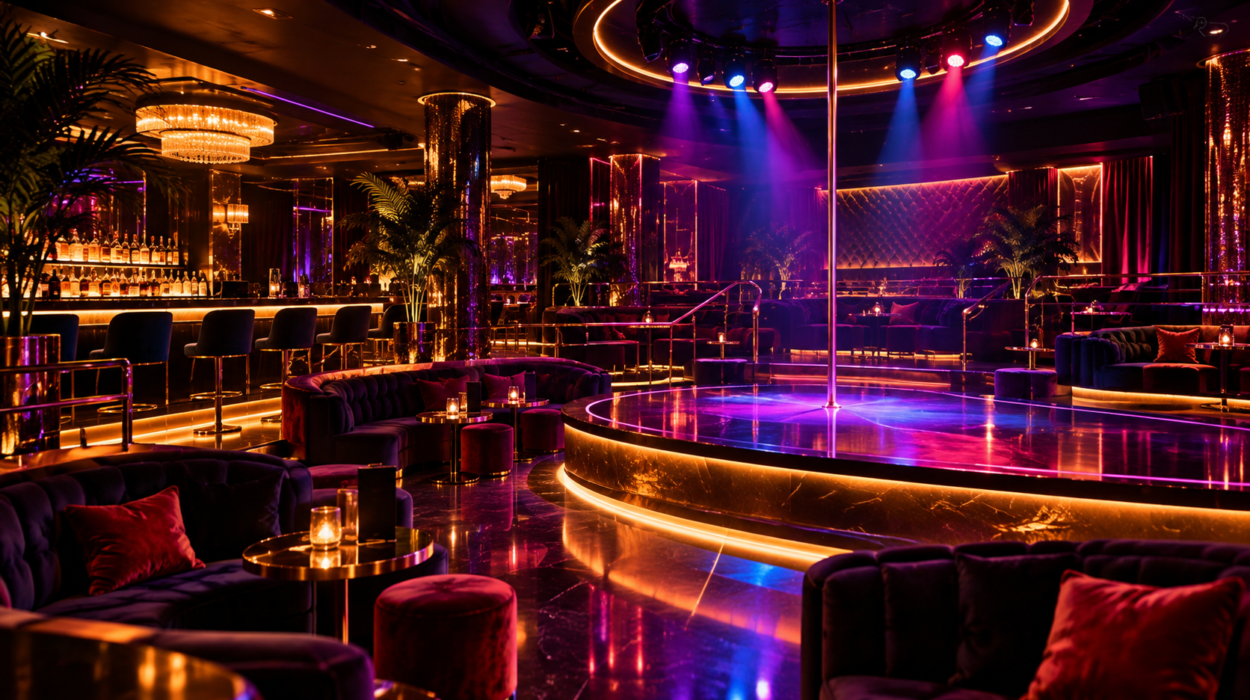
Tourists can represent a valuable customer segment for topless bars, particularly those located in popular travel destinations, major cities, and established nightlife districts.
Unlike local residents, visitors may have limited knowledge of the entertainment options available in an unfamiliar destination. They often rely on online searches, travel guides, recommendations, and location-based information to decide where to spend their evenings.
This creates opportunities for topless bars that maintain a professional online presence and provide useful information for visitors.
However, attracting tourists requires a different approach from marketing to local customers.
Travellers may be unfamiliar with local regulations, admission requirements, transport systems, and nightlife customs. International visitors could also face language barriers or uncertainty about payment methods.
Consequently, convenience and transparency become particularly important.
A topless bar that provides clear directions, accurate opening hours, professional photographs, and straightforward admission information may be easier for tourists to evaluate.
Meanwhile, informative local content and appropriate promotional relationships can help introduce the establishment to people researching their destination.
This guide explores practical strategies topless bars can use to appeal to tourists, improve online discoverability, and encourage visitors to include the venue in their nightlife plans.
Understand Why Tourists Visit Topless Bars
Tourists may explore adult entertainment venues for different reasons.
Some are interested in experiencing the local nightlife scene.
Others may be celebrating special occasions.
Certain visitors might simply be looking for entertainment during a short city break.
Understanding these motivations can help businesses develop relevant marketing messages.
However, avoid assuming that all tourists have identical preferences.
Research your destination’s visitor market and focus on audiences genuinely interested in your establishment.
Identify Your Most Relevant Tourist Markets
Different destinations attract different types of travellers.
A major business centre may receive international conference visitors.
A coastal resort might attract holidaymakers.
A historic city could appeal to weekend tourists.
Research visitor demographics at an aggregate level.
Identify important source markets.
Review seasonal demand.
Consider typical travel durations.
Evaluate nightlife preferences.
Use these insights to guide your marketing.
Research Your City’s Tourism Patterns
Tourism demand can fluctuate significantly throughout the year.
Some destinations experience strong summer seasons.
Others attract visitors during festivals, conferences, or sporting events.
Research relevant tourism trends.
Identify busy travel periods.
Review major local events.
Consider accommodation occupancy patterns where reliable data is available.
Evaluate historical attendance.
Adjust marketing plans accordingly.
Understanding tourism patterns can improve promotional timing.
Make Your Website Tourist-Friendly
Your website may be the first interaction a visitor has with your establishment.
It should answer essential questions quickly.
Where is the bar located?
What are its opening hours?
What admission requirements apply?
What atmosphere can visitors expect?
How can customers reach the venue?
Present this information clearly.
Avoid unnecessary distractions.
A straightforward website can reduce uncertainty.
Create a Dedicated Visitor Information Page
A visitor information page can bring important details together.
Include your full address.
Explain nearby transport connections.
Clarify identification requirements.
Describe dress codes.
Provide relevant pricing information.
Mention accepted payment methods.
Keep the information current.
A dedicated page can help tourists plan their evenings.
Highlight Your Location
Tourists often choose entertainment based on convenience.
A topless bar near hotels, restaurants, or established nightlife districts may benefit from explaining its location.
Mention relevant landmarks.
Provide accurate distances.
Describe nearby transport options.
Clarify entrance details.
Avoid exaggerated claims.
Maintain current information.
Useful geographical context can support visiting decisions.
Explain How to Reach Your Venue
Visitors may be unfamiliar with local streets and transport systems.
Clear directions can make your establishment easier to find.
Provide a complete address.
Explain relevant public transport routes.
Mention nearby landmarks.
Clarify suitable taxi access.
Include parking information where appropriate.
Maintain accurate directions.
Convenient navigation can reduce barriers to attendance.
Provide Information About Nearby Hotels
Hotel proximity may influence tourist decisions.
Consider creating useful content explaining which accommodation districts are near your establishment.
Mention relevant areas.
Provide accurate distances.
Describe transport connections.
Avoid implying hotel partnerships without permission.
Maintain factual information.
Update content when necessary.
Practical accommodation information can support visitor planning.
Target Popular Tourist Districts
Some neighbourhoods attract more visitors than others.
Research relevant entertainment districts.
Identify suitable nearby attractions.
Consider transport accessibility.
Evaluate local search demand.
Create useful geographical content.
Avoid misleading location claims.
Targeting genuine tourist areas can improve marketing relevance.
Develop a Local Nightlife Guide
A nightlife guide can attract people researching evening activities before arriving.
Explain relevant entertainment districts.
Discuss transport options.
Highlight suitable local attractions.
Provide practical visitor information.
Maintain accurate descriptions.
Avoid misleading recommendations.
Helpful content can introduce readers to your establishment.
Create a Guide to Evening Entertainment
Tourists often research multiple entertainment options.
An informative guide can help them understand what a destination offers.
Discuss relevant nightlife areas.
Explain typical transport arrangements.
Highlight suitable visitor considerations.
Provide accurate local information.
Maintain neutral descriptions.
Link naturally to relevant venue pages.
Useful content can support discovery.
Publish Practical First-Time Visitor Information
Some tourists may never have visited a topless bar before.
A clear guide can reduce uncertainty.
Explain admission procedures.
Clarify age restrictions.
Describe identification requirements.
Provide relevant pricing information.
Explain venue policies.
Mention appropriate conduct.
Practical guidance can help visitors make informed decisions.
Explain Local Admission Requirements
Visitors from other countries may be unfamiliar with local rules.
Provide accurate information about applicable age restrictions.
Clarify acceptable identification.
Describe relevant dress codes.
Explain entry procedures.
Mention special event conditions.
Update policies when necessary.
Transparent information supports customer confidence.
Make Pricing Information Easy to Understand
Unclear pricing can discourage tourists.
Where appropriate, explain admission fees.
Clarify relevant premium arrangements.
Describe payment conditions.
Mention additional charges.
Avoid misleading promotions.
Maintain accurate information.
Transparent pricing helps visitors plan their spending.
Explain Accepted Payment Methods
International visitors may not carry local currency.
They may also be uncertain about accepted payment methods.
List supported payment options.
Clarify relevant restrictions.
Explain whether cash is required for particular transactions.
Maintain accurate information.
Avoid unnecessary ambiguity.
Update changes promptly.
Convenient payment information can improve the visitor experience.
Consider Multilingual Website Content
International tourists may appreciate information in familiar languages.
However, translation should reflect actual demand.
Research relevant visitor markets.
Prioritise essential information.
Use accurate translations.
Maintain consistent policies.
Avoid misleading terminology.
Review translated pages regularly.
Multilingual content can reduce language barriers.
Prioritise Clear English Content
Even when multilingual pages are unavailable, straightforward English can help international visitors.
Use short sentences.
Avoid unnecessary jargon.
Explain local terminology.
Provide clear headings.
Maintain accurate information.
Use accessible formatting.
Simple communication can improve usability.
Optimise Your Website for International Mobile Visitors
Tourists frequently research nightlife on smartphones.
Some may be navigating unfamiliar streets while comparing entertainment options.
Use responsive layouts.
Maintain readable text.
Provide appropriately sized buttons.
Make directions prominent.
Avoid unnecessary pop-ups.
Test important pages.
Mobile usability can influence immediate visiting decisions.
Improve Website Loading Speed
Travellers may rely on mobile data or unfamiliar wireless networks.
Slow-loading pages can create frustration.
Compress images.
Choose reliable hosting.
Use appropriate caching.
Optimise video delivery.
Remove unnecessary scripts.
Monitor loading times.
A faster website can improve the browsing experience.
Improve Your Organic Search Visibility
Tourists often use search engines to research entertainment before and during their trips.
A professional website can attract relevant visitors through location-based searches and useful travel information.
Research suitable keywords.
Optimise important pages.
Maintain accurate geographical details.
Publish original content.
Improve technical performance.
Monitor relevant search traffic.
Organic visibility can support tourist discovery.
Target Destination-Based Searches
Potential visitors may search for topless bars in particular cities or nightlife districts.
Others may use broader entertainment-related phrases.
Research relevant search intent.
Identify suitable geographical terms.
Use natural language.
Maintain accurate descriptions.
Avoid unnecessary keyword repetition.
Focus on genuine customer needs.
Destination-based content can support relevant visibility.
Create Pages for Genuine Visitor Questions
Tourists often search for practical information.
They may want to know about transport, opening hours, admission rules, or nearby entertainment districts.
Identify common questions.
Provide accurate answers.
Use clear headings.
Maintain useful formatting.
Link to relevant information.
Update content regularly.
Helpful pages can support both usability and discovery.
Develop Relevant External Website Relationships
External websites may introduce your establishment to travellers researching nightlife.
A strategy involving topless bar link building should prioritise legitimate travel publications, suitable nightlife directories, and relevant local websites.
Research appropriate publications.
Evaluate audience relevance.
Review editorial standards.
Develop genuine relationships.
Avoid automated link spam.
Prioritise useful referrals.
Relevant external links can support website discovery and broader online visibility.
Explore Suitable Travel Directories
Some travel directories may provide additional exposure.
However, adult entertainment listings are not accepted everywhere.
Research platform eligibility.
Review content policies.
Evaluate geographical relevance.
Maintain accurate information.
Avoid misleading descriptions.
Monitor existing listings.
Suitable directories can complement your website.
Build Relationships With Local Tourism Businesses
Relevant tourism businesses may provide opportunities for professional collaboration.
Research legitimate organisations.
Consider suitable hospitality connections.
Explore relevant event businesses.
Maintain transparent communication.
Respect promotional restrictions.
Avoid implying partnerships without agreement.
Genuine relationships can support local recognition.
Consider Appropriate Hotel Relationships
Hotels may receive enquiries from guests seeking nightlife recommendations.
However, adult entertainment promotion can be sensitive and subject to internal policies.
Research suitable hospitality businesses.
Respect their professional boundaries.
Avoid intrusive promotional approaches.
Provide accurate venue information where appropriate.
Clarify any legitimate arrangements.
Never imply endorsement without permission.
Professional relationships should be voluntary and transparent.
Connect With Suitable Event Organisers
Major events can attract visitors who are unfamiliar with a destination.
Relevant organisers may provide opportunities for appropriate promotional relationships.
Research suitable organisations.
Review their audiences.
Consider geographical relevance.
Clarify responsibilities.
Follow applicable regulations.
Avoid misleading affiliations.
Professional collaboration can support visibility.
Develop Tourist-Focused Digital PR
Public relations can help introduce your establishment to relevant audiences.
Consider genuine venue announcements.
Highlight suitable entertainment events.
Share legitimate business developments.
Provide accurate supporting information.
Research appropriate publications.
Respect editorial independence.
Relevant publicity can strengthen awareness.
Use Social Media Where Permitted
Social media may help tourists discover nightlife options.
However, adult entertainment promotions face restrictions on many mainstream platforms.
Review current policies.
Publish only permitted material.
Maintain professional communication.
Avoid misleading claims.
Protect customer privacy.
Do not attempt to bypass restrictions.
Social media should complement other channels.
Showcase Your Venue With Professional Photography
Tourists may compare establishments based on visual presentation.
Appropriate photographs can help communicate your venue’s atmosphere.
Show suitable interior areas.
Highlight seating arrangements.
Capture genuine lighting.
Include relevant facilities.
Maintain consistent quality.
Avoid misleading edits.
Authentic imagery can strengthen first impressions.
Create a Short Venue Introduction Video
Video can provide useful context for visitors unfamiliar with your establishment.
Consider showing appropriate interior spaces.
Highlight genuine venue features.
Maintain professional production quality.
Use suitable lighting.
Obtain necessary permissions.
Protect customer privacy.
Follow platform policies.
Video should support realistic expectations.
Explain Your Venue’s Atmosphere
Different visitors prefer different nightlife experiences.
Some may appreciate a relaxed environment.
Others might prefer energetic entertainment.
Describe your actual atmosphere.
Use appropriate photographs.
Highlight genuine features.
Explain relevant hospitality arrangements.
Maintain consistent branding.
Avoid exaggerated claims.
Accurate descriptions help attract suitable customers.
Promote Special Events to Tourists
Special events can provide additional reasons to visit.
Publish confirmed schedules.
Explain relevant themes.
Clarify admission conditions.
Maintain accurate dates.
Provide useful location information.
Update cancellations promptly.
Reliable event information can support tourist planning.
Create a Public Events Calendar
An events calendar helps travellers identify activities during their stay.
List confirmed events.
Include accurate dates.
Explain relevant entertainment features.
Clarify admission requirements.
Provide suitable enquiry options.
Maintain mobile usability.
A reliable calendar can encourage attendance.
Highlight Major Local Events
Concerts, festivals, conferences, and sporting events may increase tourism demand.
Research relevant dates.
Consider likely visitor patterns.
Publish useful local information.
Explain your geographical location.
Avoid implying official affiliations without permission.
Monitor attendance.
Event-related planning can support seasonal marketing.
Make Spontaneous Visits Convenient
Tourists may decide where to go shortly before leaving their accommodation.
Complicated booking procedures can discourage spontaneous attendance.
Explain whether walk-ins are accepted.
Display accurate opening hours.
Provide clear directions.
Clarify admission requirements.
Maintain accessible contact information.
Avoid unnecessary barriers.
Convenience can influence last-minute decisions.
Offer Optional Group Arrangements
Some tourists travel in groups.
Where appropriate, your venue could provide optional seating arrangements or suitable hospitality packages.
Explain available facilities.
Clarify group sizes.
Maintain transparent pricing.
Provide straightforward enquiry options.
Respect customer privacy.
Avoid unnecessary booking requirements.
Group arrangements should reflect genuine operational capabilities.
Promote Suitable VIP Experiences
Some visitors may appreciate premium seating or additional hospitality.
Where available, describe genuine VIP arrangements.
Explain relevant facilities.
Clarify pricing.
Maintain accurate availability.
Use authentic photographs.
Provide suitable enquiry options.
Avoid exaggerated claims.
Transparent information supports informed decisions.
Maintain Professional Customer Service
Tourists may be unfamiliar with local customs and venue procedures.
Professional staff communication can improve their experience.
Provide clear information.
Maintain respectful interactions.
Address questions appropriately.
Explain relevant policies.
Avoid unnecessary pressure.
Deliver consistent hospitality.
Positive experiences can encourage recommendations.
Prioritise Customer Safety
Visitors may be particularly concerned about safety in unfamiliar environments.
Maintain appropriate security procedures.
Train relevant personnel.
Follow licensing requirements.
Communicate venue rules.
Address inappropriate behaviour.
Provide suitable reporting procedures.
Professional operations can strengthen customer confidence.
Protect Visitor Privacy
Some tourists may value discretion.
Avoid publishing identifiable photographs without permission.
Protect customer information.
Maintain secure records.
Respect confidentiality requests.
Follow applicable privacy requirements.
Train staff appropriately.
Responsible privacy practices support trust.
Encourage Genuine Customer Reviews
Authentic reviews may help tourists evaluate unfamiliar establishments.
However, requests should remain appropriate.
Avoid pressuring customers.
Respect confidentiality.
Follow platform policies.
Never purchase fake ratings.
Do not fabricate endorsements.
Genuine feedback can strengthen credibility.
Respond Professionally to Tourist Feedback
Visitors may raise concerns about admission procedures, directions, or payment arrangements.
Review feedback carefully.
Identify legitimate issues.
Maintain respectful communication.
Avoid public arguments.
Protect customer privacy.
Implement appropriate improvements.
Professional responses can demonstrate accountability.
Encourage Word-of-Mouth Recommendations
Tourists may share their experiences with friends or other travellers.
Maintain consistent service.
Provide positive experiences.
Communicate accurately.
Address legitimate concerns.
Respect confidentiality.
Avoid pressuring visitors.
Genuine recommendations can support future discovery.
Understand Seasonal Tourist Demand
Tourism levels can change throughout the year.
Some destinations experience predictable busy seasons.
Others depend heavily on major events.
Review historical attendance.
Identify recurring patterns.
Research relevant tourism trends.
Plan suitable promotions.
Adjust staffing appropriately.
Monitor profitability.
Seasonal planning can improve operational efficiency.
Prepare for Busy Tourist Periods
Higher visitor numbers may require additional operational planning.
Review staffing needs.
Maintain appropriate security.
Check website information.
Confirm event schedules.
Prepare suitable facilities.
Monitor customer service standards.
Operational readiness helps support positive experiences.
Adapt During Quieter Tourism Seasons
Reduced visitor numbers may require a stronger focus on local customers.
Review demand patterns.
Evaluate operating costs.
Develop suitable weekday experiences.
Maintain accurate promotional information.
Consider relevant local events.
Monitor profitability.
A balanced strategy can reduce dependence on seasonal tourism.
Track Tourist Website Traffic
Analytics can help identify geographical interest.
Review relevant traffic sources.
Monitor popular visitor pages.
Evaluate device usage.
Track suitable enquiries.
Consider seasonal changes.
Respect privacy requirements.
Use insights to improve your content.
Monitor Directions and Contact Enquiries
Certain website interactions may indicate visitor interest.
Track relevant directions clicks.
Review suitable telephone enquiries.
Monitor completed forms.
Evaluate popular location pages.
Respect customer privacy.
Avoid assuming every interaction represents a confirmed visit.
These indicators can help assess marketing performance.
Measure Tourist-Related Attendance
Where practical and privacy-respecting, businesses can evaluate whether tourism activity influences attendance.
Compare relevant periods.
Review major event dates.
Consider seasonal patterns.
Evaluate suitable operational records.
Avoid intrusive customer questioning.
Protect personal information.
Use aggregate trends to guide decisions.
Evaluate Marketing Profitability
Tourist-focused marketing should support commercial outcomes.
Track relevant expenditure.
Review promotional fees.
Include content production costs.
Evaluate attendance changes.
Compare outcomes with revenue.
Monitor profitability.
Financial analysis can help identify worthwhile activities.
Avoid Common Tourist Marketing Mistakes
Several mistakes can weaken your results.
Providing unclear directions: Visitors may struggle to locate the venue.
Ignoring language barriers: Confusing information can discourage international customers.
Publishing inaccurate opening hours: Incorrect schedules can cause wasted journeys.
Using misleading photographs: Exaggerated imagery can damage credibility.
Hiding admission conditions: Unexpected requirements can frustrate visitors.
Ignoring mobile usability: Poor navigation can discourage spontaneous visits.
Overlooking customer privacy: Inappropriate publicity can undermine trust.
Relying exclusively on tourism: Seasonal fluctuations may affect revenue.
Addressing these issues can improve the visitor experience.
Develop a Long-Term Tourist Marketing Strategy
Attracting tourists requires consistent attention to discovery, convenience, and customer experience.
Start by researching your destination’s visitor markets.
Identify relevant tourism patterns.
Develop a professional website.
Create useful visitor information.
Provide accurate directions.
Explain admission requirements.
Maintain transparent pricing.
Improve organic search visibility.
Publish relevant local guides.
Explore suitable travel directories.
Develop legitimate industry relationships.
Promote appropriate events.
Use professional photography.
Protect customer privacy.
Maintain consistent hospitality.
Track meaningful enquiries.
Review attendance.
Evaluate profitability.
A structured approach can support sustainable tourism-related demand.
Final Thoughts
Tourists can provide valuable opportunities for topless bars operating in popular travel destinations and established nightlife districts.
However, attracting visitors requires more than simply being located near hotels or tourist attractions.
Potential customers need to discover the establishment, understand what it offers, and feel confident about visiting.
A professional website, useful local guides, accurate opening hours, and convenient directions can help remove uncertainty.
Meanwhile, relevant organic search visibility, suitable travel directories, legitimate industry relationships, and appropriate digital publicity can introduce the venue to additional audiences.
Transparent admission policies and clear pricing are particularly important for visitors unfamiliar with local nightlife customs.
Nevertheless, online marketing should be supported by professional hospitality and responsible venue management.
Positive customer experiences can encourage genuine recommendations and strengthen the establishment’s reputation.
By combining tourist-focused digital visibility with practical visitor information and consistent service, topless bars can appeal to travellers while maintaining a sustainable local customer base.
Ultimately, successful tourist marketing is about making your venue easy to discover, straightforward to visit, and memorable for the right reasons.