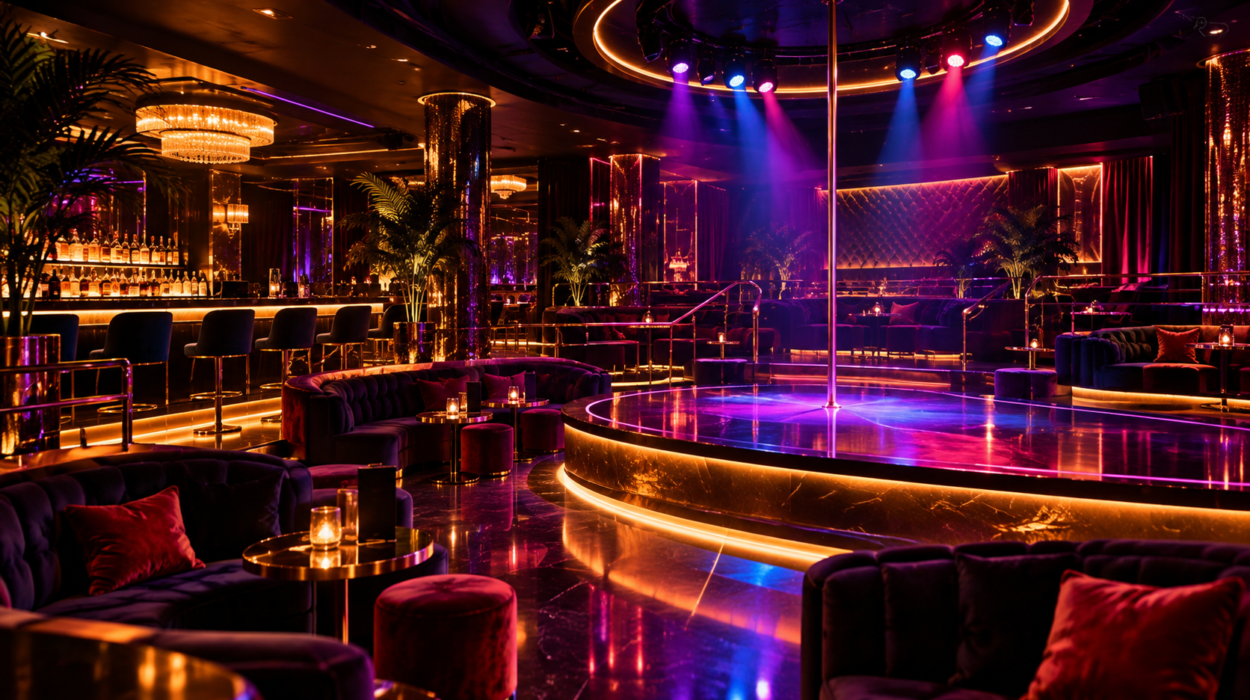
Attracting new customers is important for any topless bar, but encouraging existing visitors to return can be equally valuable. A steady base of regular customers can help support revenue, particularly during quieter weekdays and periods when tourism demand declines.
However, customer loyalty rarely develops through discounts alone.
People return to establishments where they feel comfortable, receive professional service, and consistently enjoy their experiences. They also appreciate clear information, reliable opening hours, transparent pricing, and an atmosphere that matches their expectations.
For topless bars, building loyalty requires particular attention to privacy, discretion, and respectful customer relationships.
Some visitors may enjoy receiving updates about upcoming events. Others prefer not to share personal information or participate in formal membership programmes.
Successful loyalty strategies should accommodate both preferences.
A customer who visits regularly without joining a programme can still be extremely valuable to the business.
Therefore, topless bars should focus on creating genuine reasons to return rather than relying on intrusive marketing or complicated reward systems.
This guide explores practical ways to strengthen customer relationships, encourage repeat attendance, and develop a sustainable loyalty strategy.
Understand What Customer Loyalty Means
Customer loyalty describes a person’s willingness to return to a particular establishment rather than consistently choosing alternatives.
For topless bars, loyalty may take several forms.
Some customers visit frequently.
Others return occasionally for special events.
Certain visitors recommend the establishment to friends.
A few may prefer premium hospitality arrangements.
These behaviours can all contribute to business performance.
However, loyalty should not be measured exclusively through membership registrations or promotional redemptions.
Actual repeat attendance and customer satisfaction are often more meaningful indicators.
Understand Why Customers Return
Customers have different reasons for revisiting nightlife establishments.
Some appreciate the atmosphere.
Others value convenient locations.
Professional hospitality may be particularly important.
Certain customers enjoy familiar entertainment programmes.
Transparent pricing and consistent service can also influence decisions.
Research customer expectations.
Review legitimate feedback.
Identify recurring preferences.
Use these insights to improve the experience.
Focus on the Customer Experience First
Loyalty programmes cannot compensate for consistently poor experiences.
Before introducing rewards, evaluate the fundamentals of your establishment.
Is the venue comfortable?
Are staff professional?
Are admission policies clear?
Does the entertainment match customer expectations?
Are facilities maintained appropriately?
Do customers feel respected?
Strong operational standards provide the foundation for repeat visits.
Create a Consistent Venue Atmosphere
Customers may return because they know what to expect.
A recognisable atmosphere can help establish that familiarity.
Maintain appropriate lighting.
Develop a consistent music identity.
Keep facilities comfortable.
Preserve professional presentation.
Communicate genuine venue characteristics.
Avoid unnecessary changes that undermine your brand.
Consistency can strengthen customer confidence.
Deliver Professional Customer Service
Customer service influences whether visitors feel welcome.
Train staff appropriately.
Maintain respectful communication.
Provide accurate information.
Address questions promptly.
Follow venue policies.
Treat customers consistently.
Professional interactions can encourage positive impressions and future visits.
Make First-Time Visitors Feel Comfortable
A positive first visit can create the foundation for a long-term customer relationship.
Some customers may be unfamiliar with topless bars.
Clear information can reduce uncertainty.
Explain admission procedures.
Clarify relevant charges.
Describe venue rules.
Maintain professional entrance staff.
Answer reasonable questions.
Respect personal boundaries.
A welcoming experience can encourage customers to return.
Maintain Transparent Admission Policies
Unexpected admission requirements can frustrate visitors.
Explain relevant age restrictions.
Clarify identification requirements.
Describe dress codes.
Provide accurate opening information.
Mention special event conditions.
Keep policies current.
Transparency helps customers plan their visits.
Keep Pricing Clear and Consistent
Unexpected charges can damage trust.
Where appropriate, explain admission fees.
Clarify premium hospitality arrangements.
Describe payment conditions.
Mention additional charges.
Avoid misleading promotions.
Maintain accurate information.
Clear pricing supports customer confidence.
Understand Different Customer Preferences
Not every regular customer wants the same experience.
Some prefer quieter evenings.
Others enjoy busy weekend atmospheres.
Certain visitors may appreciate premium seating.
Others value straightforward walk-in access.
Consider these differences when developing loyalty initiatives.
Avoid assuming one programme will appeal to everyone.
Flexible options can improve relevance.
Develop a Responsible Loyalty Programme
A suitable loyalty programme may encourage repeat attendance.
However, it should provide genuine benefits without creating unnecessary pressure.
Consider lawful rewards.
Maintain transparent terms.
Respect customer privacy.
Avoid misleading incentives.
Review applicable regulations.
Monitor participation.
The programme should complement the customer experience rather than replace it.
Keep Loyalty Programmes Simple
Complicated reward systems can discourage participation.
Customers should understand how a programme works.
Explain eligibility.
Describe available benefits.
Clarify relevant restrictions.
Avoid confusing conditions.
Provide accessible information.
Maintain consistent administration.
Simplicity can improve participation.
Consider Optional Membership Benefits
Some establishments may benefit from a voluntary membership programme.
Potential benefits could include suitable event information, priority enquiries, or legitimate hospitality arrangements.
Explain genuine advantages.
Maintain transparent conditions.
Protect member information.
Respect marketing preferences.
Avoid unnecessary data collection.
Review customer interest.
Membership should remain optional.
Respect Customers Who Prefer Privacy
Some visitors may not want to register for loyalty programmes.
Others may prefer not to receive promotional messages.
Respect these choices.
Avoid pressuring customers.
Do not collect unnecessary information.
Maintain secure records.
Follow applicable privacy requirements.
Provide straightforward opt-out options.
Discretion can be an important part of customer satisfaction.
Create Recognisable Weekly Experiences
Recurring entertainment can encourage customers to develop visiting habits.
Consider suitable themed evenings.
Maintain consistent schedules.
Communicate genuine event features.
Review attendance.
Collect appropriate feedback.
Adjust programming where necessary.
Recognisable events can give customers reasons to return.
Develop a Signature Weeknight Event
Quieter evenings may benefit from distinctive programming.
For example, a venue might introduce a recurring midweek entertainment concept.
Choose something suitable for your audience.
Maintain professional standards.
Publish accurate schedules.
Monitor attendance.
Evaluate profitability.
A successful recurring event can gradually build a loyal following.
Keep Your Events Calendar Updated
Customers may return more frequently when they know what is happening.
Publish confirmed events.
Include accurate dates.
Explain relevant themes.
Clarify admission conditions.
Update cancellations promptly.
Maintain mobile usability.
A reliable calendar can support repeat visits.
Reward Genuine Repeat Attendance
Recognising returning customers can strengthen relationships.
However, rewards should remain appropriate and transparent.
Consider suitable hospitality benefits.
Maintain clear conditions.
Avoid misleading promises.
Respect customer preferences.
Follow applicable regulations.
Evaluate profitability.
Recognition should never create uncomfortable expectations.
Introduce Suitable VIP Experiences
Some regular customers may appreciate premium arrangements.
Where available, these might include reserved seating or additional hospitality.
Describe genuine facilities.
Clarify pricing.
Maintain accurate availability.
Provide straightforward enquiry options.
Respect customer privacy.
Avoid exaggerated claims.
Premium experiences should reflect actual customer demand.
Make VIP Arrangements Easy to Understand
Complicated arrangements can discourage enquiries.
Explain what is included.
Clarify relevant charges.
Describe availability.
Provide accessible contact information.
Maintain transparent terms.
Avoid unnecessary restrictions.
Clear information can improve customer confidence.
Encourage Repeat Visits Without Excessive Discounting
Discounts may attract customers, but they are not always the best loyalty strategy.
Frequent reductions can affect profitability.
Customers may also begin expecting promotional prices.
Evaluate operating costs.
Consider genuine customer benefits.
Maintain transparent offers.
Avoid misleading incentives.
Monitor commercial outcomes.
Long-term loyalty should be based on value rather than discounts alone.
Maintain Consistent Entertainment Standards
Customers may return because they appreciate the overall entertainment experience.
Consistency matters.
Maintain professional operations.
Communicate schedules accurately.
Follow applicable licensing requirements.
Respect staff boundaries.
Address legitimate concerns.
Monitor customer feedback.
Reliable standards can support repeat attendance.
Develop a Recognisable Music Identity
Music can contribute to a venue’s atmosphere.
Some customers appreciate familiar styles.
Others prefer variety.
Research audience preferences.
Maintain appropriate sound levels.
Plan suitable playlists.
Follow music licensing requirements.
Review feedback.
A recognisable musical identity can strengthen the experience.
Keep Your Venue Comfortable
Comfort can influence how customers remember an evening.
Review seating arrangements.
Maintain appropriate lighting.
Monitor temperature.
Keep facilities clean.
Ensure suitable accessibility.
Address maintenance issues promptly.
A comfortable environment can encourage longer and repeat visits.
Prioritise Cleanliness and Presentation
Customers notice the condition of a venue.
Maintain clean seating areas.
Inspect facilities regularly.
Address maintenance concerns.
Keep entrances presentable.
Follow relevant hygiene requirements.
Maintain consistent standards.
Professional presentation supports credibility.
Build Trust Through Reliable Operations
Customers are more likely to return when they trust an establishment.
Maintain accurate opening hours.
Honour legitimate advertised arrangements.
Provide clear information.
Follow venue policies.
Address complaints fairly.
Avoid misleading claims.
Reliability can strengthen long-term relationships.
Respond Professionally to Complaints
Complaints can reveal opportunities for improvement.
Listen carefully.
Identify legitimate concerns.
Maintain respectful communication.
Protect customer privacy.
Implement appropriate solutions.
Review recurring problems.
Professional complaint handling can help preserve customer relationships.
Use Customer Feedback Constructively
Feedback provides insights into customer expectations.
Review relevant comments.
Identify recurring themes.
Evaluate service standards.
Consider operational improvements.
Implement suitable changes.
Monitor subsequent feedback.
Continuous improvement can strengthen satisfaction.
Encourage Genuine Customer Reviews
Authentic reviews may influence potential visitors.
However, review requests should remain appropriate.
Avoid pressuring customers.
Respect confidentiality.
Follow platform policies.
Never purchase fake ratings.
Do not fabricate endorsements.
Genuine feedback can support credibility.
Maintain a Positive Online Reputation
Existing customers may also notice how your establishment is represented online.
Monitor relevant platforms.
Correct inaccurate information.
Respond professionally to legitimate concerns.
Protect customer privacy.
Maintain consistent branding.
Avoid public arguments.
A credible reputation can reinforce trust.
Keep Your Website Informative
Your website can help customers decide when to return.
Display accurate opening hours.
Maintain an events calendar.
Explain relevant admission conditions.
Provide suitable venue information.
Make directions accessible.
Update important changes.
Reliable information can support repeat attendance.
Improve Your Organic Search Visibility
Existing customers may search for your establishment when checking opening hours, events, or contact information.
Meanwhile, new visitors may discover the business through broader local nightlife searches.
An effective strategy involving SEO for topless bars should support both types of visitors.
Maintain accurate business information.
Optimise relevant pages.
Publish useful event content.
Improve mobile usability.
Provide clear navigation.
Monitor meaningful search performance.
Organic visibility can support both acquisition and retention.
Make Your Website Easy to Use on Mobile
Many customers access venue information through smartphones.
They may check event schedules while travelling or deciding where to spend an evening.
Use responsive layouts.
Maintain readable text.
Provide appropriately sized buttons.
Make directions accessible.
Keep navigation straightforward.
Test important pages.
Convenience can support repeat visits.
Create a Dedicated Events Page
A clear events page helps returning customers plan future visits.
List confirmed activities.
Include accurate dates.
Explain relevant themes.
Clarify admission requirements.
Provide suitable enquiry options.
Update changes promptly.
A useful events page can encourage regular website visits.
Publish Relevant Venue Updates
Customers may appreciate learning about genuine improvements.
Consider announcing renovations.
Highlight new seating arrangements.
Share appropriate event information.
Explain changes to opening hours.
Maintain accurate descriptions.
Avoid unnecessary promotional exaggeration.
Useful updates can keep customers informed.
Use Email Marketing Responsibly
Email communication can help maintain relationships with customers who have explicitly subscribed.
Share suitable event announcements.
Provide accurate venue information.
Maintain professional branding.
Respect marketing consent requirements.
Protect subscriber data.
Include unsubscribe options.
Responsible communication can support retention.
Avoid Excessive Promotional Messages
Too many emails can frustrate subscribers.
Choose a manageable schedule.
Prioritise useful information.
Avoid repetitive announcements.
Respect communication preferences.
Monitor engagement.
Provide straightforward opt-out options.
Quality is more important than message frequency.
Develop a Weekly Events Newsletter
A predictable newsletter may help customers remember upcoming entertainment.
Include confirmed events.
Provide accurate dates.
Explain relevant venue features.
Maintain concise formatting.
Respect subscriber preferences.
Avoid unnecessary promotional pressure.
Consistency can support awareness.
Use Social Media Where Permitted
Social media may provide another way to communicate with interested customers.
However, adult entertainment promotion faces restrictions on many mainstream platforms.
Review current policies.
Publish only permitted material.
Maintain professional communication.
Avoid misleading claims.
Protect customer privacy.
Do not attempt to bypass restrictions.
Use social media as a supporting channel.
Encourage Word-of-Mouth Recommendations
Satisfied customers may recommend your establishment to friends.
Maintain professional hospitality.
Provide enjoyable experiences.
Communicate accurately.
Address legitimate concerns.
Respect confidentiality.
Avoid pressuring visitors.
Genuine recommendations can support customer acquisition.
Build a Recognisable Local Brand
Customers may feel more familiar with an establishment that maintains consistent branding.
Use a professional logo.
Maintain recognisable colours.
Choose appropriate imagery.
Develop clear messaging.
Apply branding consistently.
Avoid unnecessary changes.
A coherent identity can strengthen recognition.
Maintain Professional Staff Standards
Employees play an important role in the customer experience.
Provide appropriate training.
Maintain clear workplace policies.
Encourage respectful communication.
Address operational concerns.
Follow employment requirements.
Support professional conduct.
Consistent staff standards can improve customer satisfaction.
Respect Employee Boundaries
Customer loyalty should never depend on employees feeling pressured to provide inappropriate personal attention.
Maintain clear professional boundaries.
Support employee safety.
Follow workplace policies.
Address harassment.
Respect individual consent.
Provide appropriate reporting procedures.
A responsible workplace supports sustainable hospitality.
Prioritise Customer Safety
Customers are more likely to feel comfortable in professionally managed environments.
Maintain appropriate security procedures.
Train relevant personnel.
Follow licensing requirements.
Communicate venue rules.
Address inappropriate behaviour.
Provide suitable reporting procedures.
Safety should remain central to operations.
Protect Customer Information
Loyalty programmes and mailing lists may involve personal data.
Collect only necessary information.
Explain how data is used.
Maintain secure systems.
Restrict unnecessary access.
Follow applicable privacy legislation.
Respect deletion and unsubscribe requests.
Responsible data handling supports trust.
Avoid Intrusive Customer Tracking
Some establishments may be tempted to collect excessive information about regular visitors.
However, intrusive tracking can undermine customer confidence.
Use proportionate measurement.
Avoid unnecessary identification.
Respect customer preferences.
Protect personal information.
Maintain transparent practices.
Follow applicable regulations.
Customer loyalty should not come at the expense of privacy.
Understand Different Types of Regular Customers
Not every returning visitor behaves the same way.
Some attend frequently.
Others visit during particular events.
Certain customers prefer weekends.
Others enjoy quieter weekday experiences.
Consider these patterns when planning promotions.
Avoid making unsupported assumptions.
Use aggregate attendance data where possible.
Identify Your Most Popular Visiting Periods
Attendance records can reveal useful trends.
Compare weekdays.
Review weekend performance.
Evaluate event-related changes.
Consider seasonal patterns.
Monitor repeat attendance.
Respect customer privacy.
Use these insights to improve scheduling.
Develop Suitable Weeknight Loyalty Initiatives
Weeknight attendance may benefit from recurring customer relationships.
Consider recognisable entertainment programmes.
Maintain accurate schedules.
Provide consistent hospitality.
Communicate genuine venue advantages.
Evaluate operating costs.
Monitor profitability.
A sustainable programme can help improve quieter evenings.
Encourage Customers to Return After Special Events
Special events may attract people who do not normally visit.
A positive experience can create opportunities for future attendance.
Maintain professional service.
Provide accurate information about upcoming activities.
Respect communication preferences.
Avoid pressuring customers.
Keep your website updated.
Monitor repeat attendance.
Event marketing can support retention when followed by consistent hospitality.
Measure Customer Retention
Customer retention helps indicate whether visitors return over time.
However, measurement should respect privacy.
Review aggregate attendance patterns.
Compare relevant periods.
Evaluate loyalty programme participation where appropriate.
Consider repeat event attendance.
Monitor customer feedback.
Avoid intrusive identification.
Use trends to guide decisions.
Track Loyalty Programme Performance
If you operate a formal programme, evaluate whether it provides commercial value.
Monitor voluntary participation.
Review legitimate reward costs.
Evaluate relevant attendance changes.
Consider customer feedback.
Protect member information.
Assess profitability.
A programme should benefit both customers and the business.
Calculate the Value of Repeat Customers
Repeat attendance can contribute to long-term revenue.
However, customer value depends on more than visit frequency.
Consider average spending.
Review operating costs.
Evaluate promotional expenditure.
Monitor relevant attendance patterns.
Assess profitability.
Use aggregate data where possible.
Commercial analysis can guide retention investments.
Balance Customer Acquisition and Retention
A successful topless bar needs both new and returning customers.
Acquisition introduces the establishment to additional audiences.
Retention encourages existing visitors to return.
Review marketing expenditure.
Evaluate attendance trends.
Consider seasonal demand.
Monitor commercial outcomes.
Adjust priorities appropriately.
A balanced strategy can support sustainable growth.
Avoid Common Customer Loyalty Mistakes
Several mistakes can weaken retention efforts.
Relying exclusively on discounts: Customers may become more interested in promotions than the venue itself.
Complicated membership rules: Confusing conditions discourage participation.
Ignoring customer privacy: Intrusive communication can damage trust.
Inconsistent service: Poor experiences undermine repeat attendance.
Unclear pricing: Unexpected charges can discourage customers from returning.
Neglecting employee boundaries: Inappropriate expectations can create operational and safety problems.
Excessive promotional emails: Unwanted messages can frustrate subscribers.
Failing to measure results: Without meaningful data, ineffective programmes may continue unnecessarily.
Addressing these issues can strengthen customer relationships.
Develop a Long-Term Customer Loyalty Strategy
Building loyalty requires consistent attention to the overall experience.
Start by understanding customer expectations.
Maintain professional hospitality.
Provide transparent admission information.
Keep pricing accurate.
Create a comfortable environment.
Develop recognisable entertainment programmes.
Introduce suitable loyalty benefits.
Respect customer privacy.
Maintain a useful website.
Publish accurate event schedules.
Use responsible email communication.
Encourage genuine feedback.
Address legitimate concerns.
Support employee safety.
Track aggregate attendance.
Evaluate retention initiatives.
Monitor profitability.
Review your strategy regularly.
A structured approach can encourage repeat visits without relying on aggressive promotions.
Final Thoughts
Customer loyalty can help topless bars develop more predictable attendance and strengthen long-term business performance.
However, loyalty is not something an establishment can create simply by offering discounts or introducing membership cards.
It develops through consistent experiences, professional hospitality, transparent policies, and genuine customer satisfaction.
A recognisable atmosphere can encourage visitors to return, while suitable recurring events provide additional reasons to attend.
Meanwhile, informative websites, accurate event calendars, and responsible email communication can help interested customers stay informed.
Privacy is particularly important.
Some visitors may appreciate optional loyalty programmes, while others prefer to remain anonymous. Both groups should receive the same professional service and respect.
Businesses should also evaluate whether their retention initiatives contribute to profitability rather than simply increasing promotional expenditure.
By prioritising customer experience and maintaining responsible marketing practices, topless bars can encourage repeat visits and build stronger relationships with their audiences.
Ultimately, the most effective customer loyalty strategy is straightforward.
Give people a positive experience, treat them professionally, and provide genuine reasons to return.