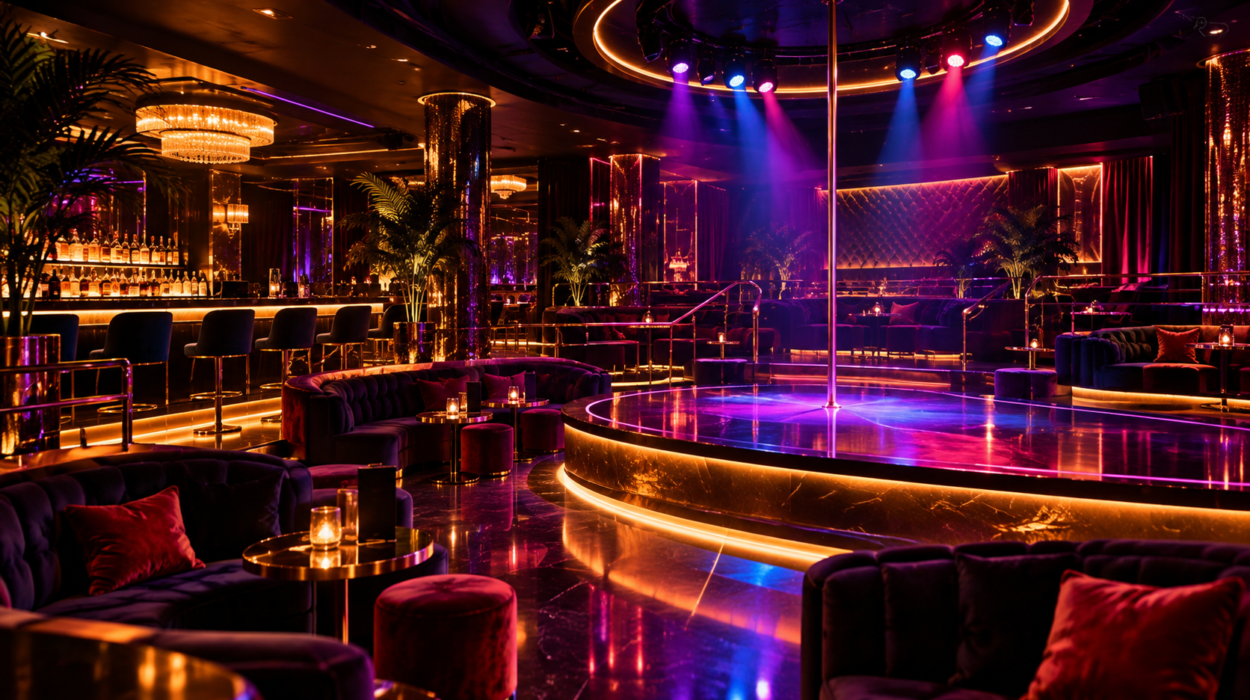
Attracting local customers is essential for topless bars that want to maintain consistent foot traffic and develop a profitable nightlife business. While tourists and occasional visitors can contribute to revenue, nearby residents often provide opportunities for repeat attendance throughout the year.
However, competition for local nightlife customers can be intense.
People have numerous entertainment options, including traditional bars, nightclubs, live music venues, and other adult entertainment establishments. To attract customers consistently, topless bars must give potential visitors compelling reasons to choose their venue.
A convenient location alone may not be enough.
Customers increasingly research nightlife establishments online before deciding where to spend their evenings. They may compare opening hours, check customer reviews, examine photographs, or look for information about admission requirements.
Consequently, a topless bar’s online presence can influence its ability to attract physical visitors.
Effective local marketing combines search engine visibility, professional branding, accurate business information, suitable promotional activities, and consistent customer service.
This guide explores practical strategies topless bars can use to attract more local customers, strengthen their reputations, and encourage repeat visits.
Understand Your Local Customer Market
Successful marketing begins with understanding the people most likely to visit your establishment.
Some customers may live within walking distance.
Others might travel from neighbouring towns.
Certain visitors may already frequent nearby nightlife districts.
Research local demand.
Identify relevant customer groups.
Consider typical visiting occasions.
Evaluate geographical patterns.
Understand customer expectations.
A clear picture of your market helps guide promotional decisions.
Identify Your Ideal Customers
Not every local resident is a potential customer.
Some people prefer conventional nightlife.
Others may be interested in adult entertainment establishments.
Focus on audiences whose preferences match your venue.
Research relevant demographics at an appropriate aggregate level.
Consider customer expectations.
Evaluate typical visiting patterns.
Understand suitable pricing.
Develop relevant messaging.
Audience-focused marketing can improve efficiency.
Research Competing Nightlife Venues
Your competition may extend beyond other topless bars.
Traditional bars, nightclubs, and entertainment venues can compete for the same leisure spending.
Identify relevant establishments.
Review their websites.
Compare opening hours.
Evaluate customer feedback.
Examine promotional activities.
Consider location advantages.
Competitor research can reveal opportunities to differentiate your business.
Identify Your Bar’s Unique Selling Points
Potential customers need reasons to choose your establishment.
Your advantages might include a distinctive atmosphere, convenient location, professional hospitality, or comfortable facilities.
Identify genuine strengths.
Explain them clearly.
Use authentic photographs.
Maintain consistent messaging.
Avoid exaggerated claims.
Distinctive positioning can make your bar more memorable.
Develop a Recognisable Local Brand
Brand recognition can help your establishment stand out.
Choose a professional logo.
Maintain consistent colours.
Use suitable typography.
Develop clear promotional messaging.
Select appropriate imagery.
Apply branding across relevant channels.
A coherent identity supports local recognition.
Create a Professional Website
Your website should provide essential information about your establishment.
Include your full address.
Display accurate opening hours.
Describe the atmosphere.
Explain relevant admission requirements.
Showcase suitable photographs.
Make contact information accessible.
A useful website can encourage potential customers to visit.
Make Your Homepage Informative
Your homepage should answer important questions immediately.
Where is your topless bar located?
When does it open?
What kind of atmosphere can customers expect?
Are there admission requirements?
What makes your venue different?
Present this information clearly.
Avoid unnecessary distractions.
Include prominent directions.
A straightforward homepage improves usability.
Improve Your Local Search Visibility
Search engines can introduce your establishment to people researching nearby nightlife.
An effective topless bar SEO strategy should focus on relevant local searches, accurate business information, useful website content, and strong technical performance.
Research suitable keywords.
Optimise important pages.
Maintain accurate location details.
Publish helpful information.
Improve mobile usability.
Monitor relevant search performance.
Organic visibility can help attract customers actively researching local entertainment.
Research Location-Based Keywords
Potential customers may search for topless bars in specific cities or neighbourhoods.
Others might search for nightlife near popular entertainment districts.
Research relevant phrases.
Evaluate geographical intent.
Identify common customer questions.
Use natural language.
Avoid unnecessary keyword repetition.
Focus on searches that genuinely match your establishment.
Create a Dedicated Location Page
A location page helps potential customers plan their journeys.
Include your full address.
Explain nearby transport connections.
Mention relevant landmarks.
Provide parking information where appropriate.
Clarify entrance details.
Maintain accurate opening hours.
Useful geographical information can reduce uncertainty.
Maintain Accurate Business Listings
Online directories may help customers discover your establishment.
Incorrect information can create confusion.
Verify your business name.
Check your address.
Update opening hours.
Maintain accurate contact details.
Review platform eligibility.
Follow relevant policies.
Consistent information supports credibility.
Explore Suitable Local Directories
Relevant directories may provide additional exposure.
Research platforms that permit your business category.
Evaluate their reputations.
Consider geographical relevance.
Review listing requirements.
Maintain accurate descriptions.
Avoid low-quality networks.
Suitable listings can complement your website.
Make Your Bar Easy to Find
Customers should not struggle to locate your establishment.
Display a clear address.
Provide suitable map information.
Explain public transport options.
Mention nearby landmarks.
Clarify difficult-to-find entrances.
Maintain accurate directions.
Convenient navigation can encourage physical visits.
Highlight Nearby Entertainment Districts
Customers often visit multiple nightlife establishments during an evening.
If your bar is near a popular entertainment district, explain that advantage.
Mention relevant neighbourhoods.
Provide accurate distances.
Describe suitable transport options.
Highlight genuine geographical convenience.
Avoid misleading claims.
Keep information current.
Useful location details can support visitor planning.
Optimise Your Website for Mobile Devices
Many local nightlife searches happen on smartphones.
Potential customers may already be exploring a city when they discover your website.
Use responsive layouts.
Maintain readable text.
Provide appropriately sized buttons.
Keep navigation straightforward.
Make directions accessible.
Test important pages.
Mobile usability can influence immediate visiting decisions.
Improve Website Loading Speed
Slow websites can frustrate potential customers.
Large photographs and unnecessary scripts may affect performance.
Compress images.
Choose reliable hosting.
Use appropriate caching.
Optimise video delivery.
Remove unnecessary plugins.
Monitor loading times.
A faster website provides a better browsing experience.
Showcase Your Venue Through Photography
Professional photographs can help customers understand your establishment.
Show appropriate interior areas.
Highlight seating arrangements.
Capture suitable lighting.
Include genuine venue features.
Maintain consistent image quality.
Avoid misleading edits.
Authentic imagery can strengthen first impressions.
Describe Your Bar’s Atmosphere
Potential customers may compare several establishments before deciding where to go.
Accurate descriptions can help them choose.
Explain your venue’s general style.
Highlight genuine features.
Describe relevant hospitality arrangements.
Use appropriate photographs.
Maintain consistent branding.
Avoid exaggerated claims.
Clear descriptions support realistic expectations.
Develop a Consistent Entertainment Programme
A recognisable entertainment programme may help attract returning customers.
Review customer preferences.
Plan suitable activities.
Maintain accurate schedules.
Communicate relevant changes.
Follow licensing requirements.
Evaluate attendance.
Consistency can encourage repeat visits.
Promote Suitable Local Events
Special events may provide additional reasons to visit.
Publish confirmed schedules.
Explain relevant entertainment features.
Clarify admission conditions.
Update cancellations promptly.
Use permitted promotional channels.
Monitor results.
Well-organised events can support local recognition.
Maintain an Online Events Calendar
An events calendar helps customers plan their evenings.
List confirmed activities.
Include accurate dates.
Explain opening hours.
Clarify special conditions.
Keep information current.
Optimise mobile usability.
Reliable schedules can encourage attendance.
Create Locally Relevant Website Content
Useful local content can introduce your establishment to nearby audiences.
Consider writing about nightlife districts.
Explain transport options.
Discuss relevant entertainment considerations.
Highlight suitable local attractions.
Provide accurate information.
Update older articles.
Locally focused content can support online discovery.
Publish Guides to Local Nightlife
Customers may research entertainment options before going out.
A local nightlife guide can provide useful context.
Describe relevant districts.
Explain transport connections.
Highlight suitable attractions.
Provide practical visitor information.
Avoid misleading recommendations.
Maintain accurate details.
Helpful guides can strengthen your website’s usefulness.
Build Relationships With Local Businesses
Relevant business relationships may support local awareness.
Research suitable nightlife establishments.
Explore legitimate hospitality connections.
Consider relevant event organisations.
Maintain professional communication.
Respect promotional restrictions.
Avoid misleading partnerships.
Genuine relationships can create additional opportunities.
Network Within the Local Nightlife Industry
Professional networking can help establish your bar within the entertainment community.
Attend suitable business events.
Connect with legitimate venue operators.
Develop relevant industry relationships.
Share appropriate business information.
Maintain respectful communication.
Respect confidentiality.
Strong connections can support long-term development.
Develop Appropriate Local Public Relations
Relevant publicity can help strengthen brand recognition.
Consider genuine venue announcements.
Highlight suitable business improvements.
Share relevant professional achievements.
Provide accurate information.
Respect publication policies.
Avoid exaggerated claims.
Professional public relations can complement other marketing activities.
Use Social Media Where Permitted
Social media may support local brand awareness.
However, adult entertainment promotion faces restrictions on many mainstream platforms.
Review current policies.
Publish only permitted material.
Maintain professional communication.
Avoid misleading claims.
Protect customer privacy.
Do not attempt to bypass restrictions.
Social media should complement other marketing channels.
Explore Suitable Digital Advertising
Paid advertising may provide additional exposure.
However, eligibility varies across platforms.
Research appropriate advertising networks.
Review adult entertainment policies.
Understand local regulations.
Evaluate geographical targeting.
Set realistic budgets.
Monitor commercial outcomes.
Advertising should support genuine business objectives.
Build a Positive Online Reputation
Potential customers may research reviews before visiting.
Monitor relevant platforms.
Maintain accurate information.
Respond professionally to legitimate concerns.
Avoid public arguments.
Protect customer privacy.
Use feedback to improve operations.
A credible reputation can influence visiting decisions.
Encourage Genuine Customer Reviews
Authentic feedback can help potential visitors evaluate your establishment.
However, requests should remain appropriate.
Avoid pressuring customers.
Respect confidentiality.
Follow platform policies.
Never fabricate endorsements.
Do not purchase fake ratings.
Genuine reviews can strengthen credibility.
Respond Professionally to Negative Feedback
Negative reviews may reveal opportunities for improvement.
Read complaints carefully.
Identify legitimate concerns.
Maintain respectful language.
Avoid revealing private information.
Correct inaccuracies appropriately.
Implement relevant improvements.
Professional responses can demonstrate accountability.
Improve the First-Time Customer Experience
First-time visitors may be unfamiliar with your establishment.
Clear information can reduce uncertainty.
Explain admission procedures.
Clarify relevant charges.
Describe venue policies.
Maintain professional staff communication.
Address questions appropriately.
Create a welcoming environment.
A positive first visit can support customer retention.
Maintain Transparent Admission Policies
Unclear admission requirements can discourage potential customers.
Explain relevant age restrictions.
Clarify identification requirements.
Describe dress codes.
Provide accurate admission information.
Mention special event conditions.
Keep policies current.
Transparency helps customers plan their evenings.
Make Pricing Information Clear
Unexpected charges can damage trust.
Where appropriate, explain admission fees.
Clarify relevant premium arrangements.
Describe payment conditions.
Mention additional charges.
Avoid misleading promotions.
Maintain accurate information.
Clear pricing supports informed decisions.
Focus on Professional Customer Service
Customer service can influence repeat attendance.
Train staff appropriately.
Maintain respectful communication.
Address concerns promptly.
Provide clear information.
Follow venue policies.
Deliver consistent hospitality.
Positive experiences can encourage customers to return.
Prioritise Customer Safety
A professionally managed environment can strengthen customer confidence.
Maintain appropriate security procedures.
Train relevant personnel.
Follow licensing requirements.
Communicate venue rules.
Address inappropriate behaviour.
Provide suitable reporting procedures.
Safety should remain central to operations.
Protect Customer Privacy
Some visitors may value discretion.
Avoid publishing identifiable photographs without permission.
Protect customer information.
Maintain secure records.
Respect confidentiality requests.
Follow applicable privacy requirements.
Train staff appropriately.
Responsible privacy practices support trust.
Encourage Word-of-Mouth Recommendations
Satisfied customers may recommend your establishment to others.
Maintain consistent service.
Provide a positive environment.
Communicate professionally.
Address concerns promptly.
Respect confidentiality.
Avoid pressuring visitors.
Genuine recommendations can strengthen local awareness.
Develop Suitable Loyalty Initiatives
Repeat customers can contribute to sustainable revenue.
Consider appropriate loyalty programmes.
Review applicable regulations.
Maintain clear terms.
Respect customer preferences.
Avoid misleading incentives.
Monitor participation.
Responsible initiatives can encourage return visits.
Use Email Marketing Responsibly
Email communication may help maintain contact with customers who have explicitly subscribed.
Share suitable event announcements.
Provide accurate opening information.
Respect marketing consent requirements.
Protect subscriber data.
Include unsubscribe options.
Avoid excessive messages.
Responsible communication can support customer relationships.
Attract Customers From Neighbouring Areas
Your potential market may extend beyond your immediate neighbourhood.
Research nearby towns.
Evaluate transport connections.
Identify relevant search demand.
Provide accurate location information.
Consider suitable promotional activities.
Avoid misleading geographical claims.
Nearby communities may provide additional customers.
Understand Weekday and Weekend Demand
Nightlife attendance often varies throughout the week.
Weekends may attract larger crowds.
Weekdays might require different promotional approaches.
Review attendance records.
Identify quieter periods.
Evaluate suitable events.
Consider customer preferences.
Monitor relevant outcomes.
Use demand patterns to guide planning.
Consider Seasonal Changes in Local Demand
Customer attendance may fluctuate throughout the year.
Holiday periods can influence nightlife activity.
Major local events may increase visitor numbers.
Weather can also affect travel decisions.
Review historical attendance.
Identify recurring patterns.
Plan suitable promotions.
Adjust staffing appropriately.
Seasonal planning can support operational efficiency.
Track Local Website Traffic
Analytics can help identify geographical interest.
Review relevant traffic sources.
Monitor popular pages.
Evaluate local search performance.
Check mobile usability.
Track suitable enquiries.
Respect privacy requirements.
Use insights to improve your website.
Measure Physical Foot Traffic
Website visits do not automatically translate into customers.
Monitor suitable entry records.
Compare weekdays.
Review weekend performance.
Evaluate special events.
Consider seasonal patterns.
Respect customer privacy.
Physical attendance provides a more direct measure of commercial success.
Calculate Customer Acquisition Costs
Marketing should produce commercially sensible outcomes.
Track relevant expenditure.
Include content production costs.
Evaluate promotional fees.
Estimate acquisition costs.
Compare results with revenue.
Review profitability.
Understanding costs supports better investment decisions.
Identify Your Most Effective Marketing Channels
Different channels may attract different audiences.
Organic search could introduce nearby customers.
Nightlife directories may help visitors compare establishments.
Events might encourage repeat attendance.
Professional referrals could support discovery.
Review relevant results.
Evaluate costs.
Prioritise effective activities.
Avoid Common Local Marketing Mistakes
Several mistakes can weaken your results.
Outdated websites: Incorrect information can frustrate potential customers.
Poor directions: Difficult-to-find venues may lose interested visitors.
Inconsistent branding: Conflicting messages can weaken recognition.
Misleading photography: Inaccurate images damage customer confidence.
Ignoring reviews: Unresolved concerns can harm reputation.
Unclear pricing: Unexpected charges can create negative experiences.
Overlooking mobile users: Poor usability can discourage immediate visits.
Failing to measure attendance: Without meaningful data, improvement becomes difficult.
Addressing these problems can strengthen your marketing.
Develop a Long-Term Local Marketing Strategy
Attracting local customers requires consistent attention.
Start by understanding your audience.
Research competing venues.
Identify genuine advantages.
Develop recognisable branding.
Create a professional website.
Improve local search visibility.
Maintain accurate business listings.
Publish useful local content.
Showcase your venue authentically.
Promote suitable events.
Build relevant industry relationships.
Protect your reputation.
Maintain professional hospitality.
Encourage repeat visits.
Track physical attendance.
Review marketing profitability.
A structured approach can support sustainable business growth.
Final Thoughts
Attracting more local customers to a topless bar requires a combination of online visibility, distinctive branding, useful information, and consistent customer experiences.
Potential visitors have numerous nightlife options, making differentiation particularly important.
A professional website can help introduce your establishment while providing essential details about its location, opening hours, admission requirements, and atmosphere.
Meanwhile, relevant local search visibility, suitable business listings, informative content, and legitimate industry relationships can help increase discoverability.
However, attracting attention online is only the beginning.
Professional customer service, transparent policies, a welcoming environment, and consistent entertainment standards can encourage visitors to return.
By understanding local demand and maintaining a focused marketing strategy, topless bars can strengthen their reputations and attract customers who genuinely appreciate their establishments.
Ultimately, successful local marketing is not simply about getting more people to discover your bar.
It is about giving the right customers compelling reasons to visit and creating experiences that encourage them to come back.