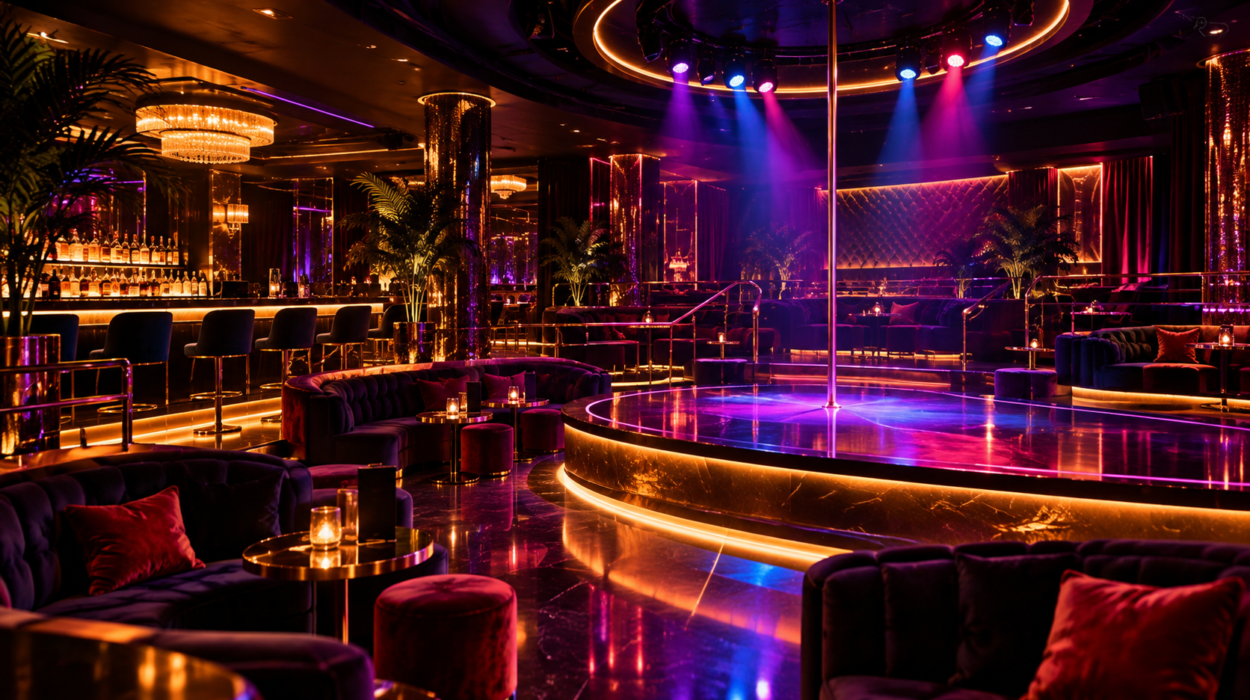
Special events can provide topless bars with valuable opportunities to attract new customers, encourage repeat visits, and increase revenue during quieter trading periods. Whether an establishment is organising a themed entertainment evening, celebrating an anniversary, or introducing a new weekly programme, effective promotion can make a significant difference to attendance.
However, organising an event is only half the challenge.
Potential customers need to discover it, understand what is happening, and have enough information to decide whether they want to attend.
For topless bars, online promotion can be particularly challenging because many mainstream advertising platforms restrict adult entertainment marketing.
Consequently, establishments often need to rely more heavily on their own websites, organic search visibility, suitable entertainment directories, email communication, and legitimate industry relationships.
A successful event marketing strategy should begin well before the event itself.
It should also continue after the evening has finished, helping businesses evaluate attendance, understand customer feedback, and improve future promotions.
This guide explores practical ways topless bars can promote events online, reach relevant audiences, and turn digital interest into physical attendance.
Understand the Purpose of Your Event
Before developing promotional materials, establish what the event is intended to achieve.
Some events aim to attract new customers.
Others focus on encouraging existing visitors to return.
Certain activities may promote premium hospitality arrangements.
Another objective might be increasing attendance during quieter weekdays.
Identify your primary goal.
Consider expected demand.
Evaluate available resources.
Set a realistic budget.
Choose suitable performance indicators.
Clear objectives make promotional decisions easier.
Identify Your Target Audience
Different events appeal to different customer groups.
A relaxed midweek programme may interest local regulars.
A special weekend event could attract customers from neighbouring areas.
Premium experiences might appeal to visitors interested in additional comfort or reserved seating.
Research relevant audiences.
Consider geographical demand.
Understand customer preferences.
Evaluate likely visiting occasions.
Develop appropriate messaging.
Audience-focused promotion can improve relevance.
Choose an Event Concept That Fits Your Brand
Not every promotional idea will suit every topless bar.
Your event should reflect the atmosphere and identity of your establishment.
Consider your existing entertainment programme.
Review customer preferences.
Evaluate operational capabilities.
Choose a distinctive concept.
Maintain professional standards.
Avoid misleading promises.
A suitable event can strengthen your brand rather than distract from it.
Develop a Recognisable Event Name
A memorable event name can help customers recognise recurring activities.
Keep it concise.
Make the theme understandable.
Avoid confusing terminology.
Maintain consistent branding.
Consider future promotional use.
Check relevant legal and trademark considerations.
A recognisable name can support repeated marketing.
Establish a Clear Event Schedule
Customers need accurate information about when an event takes place.
Confirm the date.
Clarify opening hours.
Explain relevant start times.
Identify special admission conditions.
Update changes promptly.
Maintain consistent information.
Reliable schedules can encourage advance planning.
Create a Dedicated Event Landing Page
Your website should provide a central location for event information.
A dedicated landing page allows potential visitors to learn about the activity without searching through unrelated content.
Include the event name.
Display the date prominently.
Explain what customers can expect.
Clarify admission requirements.
Provide accurate pricing where appropriate.
Include directions.
A useful landing page can help convert interest into attendance.
Write an Engaging Event Description
Your event description should communicate genuine reasons to attend.
Explain the entertainment concept.
Highlight relevant venue features.
Describe the atmosphere.
Mention suitable hospitality arrangements.
Provide practical information.
Avoid exaggerated claims.
Clear descriptions can help customers decide whether the event matches their preferences.
Highlight the Most Important Information First
Visitors may spend only a short time reviewing an event page.
Place essential details near the beginning.
Include the date.
Display opening hours.
Explain admission conditions.
Provide location information.
Highlight relevant enquiry options.
Avoid unnecessary distractions.
A clear layout improves usability.
Use Professional Event Photography
Photography can help communicate an event’s atmosphere.
Choose suitable venue images.
Highlight relevant interior areas.
Maintain consistent quality.
Use appropriate lighting.
Avoid misleading edits.
Respect filming permissions.
Authentic photographs can strengthen promotional materials.
Develop Consistent Event Graphics
Recognisable visual branding can help customers identify your promotions.
Use consistent colours.
Choose readable typography.
Include accurate event information.
Maintain appropriate imagery.
Avoid excessive visual clutter.
Adapt graphics to permitted channels.
Professional presentation can strengthen credibility.
Create a Mobile-Friendly Event Page
Many potential customers discover nightlife events through smartphones.
Your landing page should work comfortably on smaller screens.
Use responsive layouts.
Maintain readable text.
Provide appropriately sized buttons.
Make directions accessible.
Keep navigation straightforward.
Test important features.
Mobile usability can influence visiting decisions.
Improve Event Page Loading Speed
Slow-loading pages can discourage visitors.
Large images and unnecessary scripts may affect performance.
Compress photographs.
Choose reliable hosting.
Use appropriate caching.
Optimise video delivery.
Remove unnecessary elements.
Monitor loading times.
A faster page provides a smoother browsing experience.
Optimise Event Pages for Search Engines
Organic search can introduce your event to people researching local entertainment.
A specialist topless bar SEO company may help improve relevant event pages, local search visibility, technical performance, and website structure.
However, effective optimisation should prioritise useful information.
Research relevant search terms.
Use descriptive page titles.
Maintain accurate location details.
Publish original event descriptions.
Improve mobile usability.
Avoid unnecessary keyword repetition.
Search visibility can complement other promotional channels.
Target Relevant Local Searches
Potential customers may search for nightlife events in specific cities or neighbourhoods.
Research geographical demand.
Identify relevant search phrases.
Consider event-related intent.
Use accurate location descriptions.
Avoid misleading keywords.
Maintain useful content.
Local relevance can help attract suitable audiences.
Create an Online Events Calendar
An events calendar provides a convenient overview of upcoming activities.
List confirmed events.
Include accurate dates.
Explain relevant themes.
Clarify admission conditions.
Provide suitable enquiry options.
Update cancellations promptly.
A reliable calendar can encourage repeat website visits.
Promote Events From Your Homepage
Your homepage may receive more attention than individual event pages.
Use it to highlight important upcoming activities.
Add a relevant event section.
Display accurate dates.
Include suitable photographs.
Link to detailed information.
Avoid excessive promotional elements.
Remove expired announcements.
Homepage visibility can support event discovery.
Use Internal Links to Support Event Discovery
Internal links help visitors navigate between relevant website pages.
Link from your homepage to upcoming events.
Connect relevant blog articles.
Provide access to location information.
Reference suitable VIP arrangements.
Use descriptive anchor text.
Avoid excessive linking.
Useful navigation can improve the customer journey.
Publish Blog Articles About Upcoming Events
Blog content can provide additional context around your entertainment programme.
Consider explaining the event concept.
Highlight relevant venue features.
Discuss suitable local nightlife information.
Provide practical visitor guidance.
Maintain accurate details.
Link to the event page.
Informative articles can support discovery.
Create Local Nightlife Content
People researching evening entertainment may discover your website through broader local searches.
Consider writing about entertainment districts.
Explain transport options.
Highlight relevant local attractions.
Provide useful visitor information.
Maintain accurate descriptions.
Update older content.
Local guides can introduce readers to your establishment.
Promote Events Around Major Local Occasions
Concerts, festivals, sporting events, and conferences can influence nightlife demand.
Research relevant dates.
Consider likely visitor patterns.
Develop suitable event concepts.
Provide accurate location information.
Avoid implying official affiliations without permission.
Monitor attendance.
Local occasions can create additional opportunities.
Build Relationships With Relevant Event Websites
Some entertainment websites publish local event listings.
Research suitable platforms.
Review their content policies.
Evaluate geographical relevance.
Maintain accurate event descriptions.
Follow submission requirements.
Avoid low-quality directories.
Relevant listings can introduce your event to additional audiences.
Explore Specialist Nightlife Directories
Suitable directories may provide exposure to people researching adult nightlife.
However, platform eligibility varies.
Research appropriate websites.
Evaluate their reputations.
Review audience relevance.
Understand listing conditions.
Maintain accurate information.
Avoid misleading promotions.
Relevant directories can complement your official website.
Develop a Digital PR Campaign
Public relations can support genuine event announcements.
Research relevant publications.
Prepare accurate event information.
Provide suitable photographs.
Explain legitimate newsworthy elements.
Respect editorial independence.
Avoid exaggerated claims.
Relevant coverage can strengthen awareness.
Collaborate With Suitable Local Businesses
Appropriate partnerships may help introduce your event to additional audiences.
Research legitimate nightlife businesses.
Explore relevant hospitality connections.
Consider suitable event organisations.
Clarify promotional arrangements.
Respect applicable regulations.
Avoid misleading affiliations.
Genuine relationships can support local recognition.
Build Relationships With Event Organisers
Professional event organisers may provide useful promotional opportunities.
Research suitable businesses.
Evaluate their experience.
Discuss relevant arrangements.
Clarify responsibilities.
Maintain transparent terms.
Follow licensing requirements.
Professional collaboration can support event planning.
Use Social Media Where Permitted
Social media may help communicate suitable event information.
However, adult entertainment promotion faces restrictions on many mainstream platforms.
Review current policies.
Publish only permitted material.
Maintain professional communication.
Avoid misleading claims.
Protect customer privacy.
Do not attempt to bypass restrictions.
Social media should complement other marketing channels.
Create a Consistent Social Content Schedule
Where permitted, a structured schedule can help maintain awareness.
Prepare suitable announcements.
Highlight confirmed dates.
Share appropriate venue photographs.
Provide useful visitor information.
Maintain consistent branding.
Follow platform rules.
Regular communication can support event recognition.
Explore Suitable Paid Advertising
Paid advertising may provide additional exposure.
However, eligibility varies across platforms.
Research appropriate advertising networks.
Review adult entertainment policies.
Understand local regulations.
Evaluate geographical targeting.
Set realistic budgets.
Monitor commercial outcomes.
Advertising should support genuine event objectives.
Use Email Marketing Responsibly
Email communication can help inform customers who have explicitly subscribed.
Share suitable event announcements.
Provide accurate dates.
Explain relevant admission conditions.
Maintain professional branding.
Respect marketing consent requirements.
Include unsubscribe options.
Responsible communication can support repeat attendance.
Create an Event Announcement Email
An event announcement should provide essential information quickly.
Use a clear subject line.
Introduce the event.
Highlight genuine features.
Display the date prominently.
Include relevant admission information.
Link to the event page.
Avoid unnecessary promotional exaggeration.
A concise message can help subscribers plan their evenings.
Send Appropriate Event Reminders
Some subscribers may appreciate reminders about upcoming activities.
However, excessive messages can create frustration.
Choose suitable timing.
Provide accurate information.
Respect subscriber preferences.
Avoid misleading urgency.
Maintain clear unsubscribe options.
Monitor engagement.
Responsible reminders can support awareness.
Develop a Regular Weekly Events Email
Establishments with frequent events may benefit from a predictable update.
A weekly message could summarise confirmed activities.
Keep the format consistent.
Include accurate dates.
Highlight relevant venue information.
Maintain professional presentation.
Respect marketing consent requirements.
Avoid excessive communication.
Consistency can help customers remember your programme.
Consider Optional VIP Enquiries
Some events may include premium seating or suitable hospitality arrangements.
Where relevant, provide a dedicated enquiry option.
Explain available facilities.
Clarify pricing.
Maintain accurate availability.
Use straightforward forms.
Protect customer information.
Avoid unnecessary booking requirements.
VIP arrangements should reflect genuine operational capabilities.
Make Reservations Optional Where Appropriate
Not every topless bar event requires advance booking.
Many customers prefer arriving spontaneously.
Explain whether walk-ins are accepted.
Clarify any capacity restrictions.
Provide accurate opening hours.
Maintain transparent admission conditions.
Make directions accessible.
Avoid unnecessary obstacles.
Your booking approach should reflect how customers actually attend.
Make Event Pricing Transparent
Unexpected charges can damage customer confidence.
Where appropriate, explain admission fees.
Clarify special event pricing.
Describe payment conditions.
Mention additional charges.
Avoid misleading offers.
Maintain accurate information.
Transparent pricing supports informed decisions.
Explain Admission Requirements Clearly
Potential visitors should understand relevant policies before attending.
Explain age restrictions.
Clarify identification requirements.
Describe dress codes.
Mention special event conditions.
Provide accurate opening information.
Keep policies current.
Clear admission details can reduce uncertainty.
Highlight Convenient Transport Options
Customers may consider travel arrangements before attending an event.
Provide your full address.
Explain nearby public transport.
Mention relevant landmarks.
Clarify parking information.
Describe suitable taxi access.
Maintain accurate directions.
Convenient information can encourage attendance.
Make Directions Easy to Find
Your event page should help visitors locate the establishment.
Include a prominent directions link.
Display the full address.
Provide suitable map information.
Clarify entrance details.
Mention nearby landmarks.
Maintain current information.
A straightforward journey can reduce barriers to visiting.
Promote Events to Local Customers
Nearby residents may provide a valuable audience for recurring events.
Highlight geographical convenience.
Maintain accurate schedules.
Develop recognisable weekly concepts.
Communicate genuine venue features.
Use suitable local channels.
Monitor attendance.
Local awareness can support repeat visits.
Attract Customers From Neighbouring Areas
Some events may appeal to visitors beyond your immediate neighbourhood.
Research nearby towns.
Evaluate transport connections.
Identify relevant demand.
Provide accurate location information.
Consider suitable promotional activities.
Avoid misleading geographical claims.
Regional audiences may provide additional attendance.
Reach Tourists Visiting Your City
Tourists may research entertainment before arriving.
Provide clear event information.
Explain your location.
Highlight nearby attractions.
Clarify admission requirements.
Maintain accurate opening hours.
Use straightforward language.
Tourist-friendly content can support discovery.
Consider Business Travellers
Business travellers may be interested in local nightlife during their stay.
Provide convenient location information.
Explain relevant transport connections.
Describe the venue atmosphere.
Maintain accurate event schedules.
Clarify admission requirements.
Avoid unsupported affiliations.
Useful information can help travellers evaluate your event.
Encourage Repeat Event Attendance
Successful events can create opportunities for customer retention.
Maintain consistent quality.
Develop recognisable themes.
Communicate future schedules.
Provide professional hospitality.
Respect customer preferences.
Monitor repeat attendance.
Positive experiences can encourage visitors to return.
Develop a Responsible Loyalty Programme
Suitable loyalty initiatives may help maintain customer interest.
Consider lawful benefits.
Maintain clear terms.
Respect customer privacy.
Avoid misleading incentives.
Review applicable regulations.
Monitor participation.
Loyalty programmes should provide genuine value.
Encourage Word-of-Mouth Recommendations
Satisfied customers may recommend your events to others.
Maintain professional service.
Provide enjoyable experiences.
Communicate accurately.
Address legitimate concerns.
Respect confidentiality.
Avoid pressuring visitors.
Genuine recommendations can support awareness.
Encourage Authentic Customer Reviews
Reviews may influence potential visitors researching your establishment.
However, requests should remain appropriate.
Avoid pressuring customers.
Respect privacy.
Follow platform policies.
Never purchase fake ratings.
Do not fabricate endorsements.
Genuine feedback can strengthen credibility.
Use Previous Events to Promote Future Ones
Successful events can provide useful promotional material.
Consider sharing appropriate venue photographs.
Highlight genuine improvements.
Discuss relevant customer feedback.
Maintain accurate descriptions.
Respect filming permissions.
Protect customer privacy.
Past experiences can help communicate what future visitors might expect.
Publish Event Recaps
A recap can keep your website active after an event finishes.
Describe the event accurately.
Highlight suitable entertainment features.
Discuss relevant venue activities.
Include appropriate photographs.
Respect customer privacy.
Link to future events where relevant.
Recaps can support ongoing content development.
Maintain Professional Customer Service
Marketing may attract visitors, but service quality influences their experience.
Train staff appropriately.
Maintain respectful communication.
Provide clear admission information.
Address concerns promptly.
Follow venue policies.
Deliver consistent hospitality.
Positive experiences can encourage repeat attendance.
Prioritise Customer Safety
Events should operate within appropriate safety standards.
Maintain suitable security procedures.
Train relevant personnel.
Follow licensing requirements.
Communicate venue rules.
Address inappropriate behaviour.
Provide appropriate reporting procedures.
Safety should remain central to event planning.
Protect Customer Privacy
Some visitors may value discretion.
Avoid publishing identifiable photographs without permission.
Protect enquiry information.
Maintain secure records.
Respect confidentiality requests.
Follow applicable privacy legislation.
Train staff appropriately.
Responsible privacy practices support trust.
Track Event Landing Page Performance
Website analytics can help evaluate promotional interest.
Monitor relevant page visits.
Review traffic sources.
Evaluate device usage.
Track suitable enquiry actions.
Check important navigation paths.
Respect privacy requirements.
Use insights to improve future pages.
Monitor Directions and Contact Enquiries
Certain website interactions may indicate customer interest.
Track relevant directions clicks.
Monitor suitable telephone enquiries.
Review completed forms.
Evaluate popular information.
Respect customer privacy.
Avoid treating every interaction as a confirmed visit.
These indicators can help assess promotional effectiveness.
Measure Actual Event Attendance
Physical attendance provides a direct measure of event performance.
Review suitable entry records.
Compare relevant dates.
Evaluate weekday differences.
Consider seasonal patterns.
Monitor repeat visits.
Respect customer privacy.
Attendance data can help identify successful events.
Calculate Event Profitability
A busy event does not automatically generate strong profits.
Evaluate relevant revenue.
Review staffing costs.
Include promotional expenditure.
Consider additional operating expenses.
Compare outcomes with expectations.
Monitor profitability.
Financial analysis supports better planning.
Identify Your Most Effective Promotional Channels
Different channels may produce different results.
Organic search could introduce new visitors.
Email announcements may encourage returning customers.
Nightlife directories might attract tourists.
Professional referrals could generate additional awareness.
Review relevant outcomes.
Compare costs.
Evaluate attendance.
Prioritise effective activities.
Improve Future Events Using Customer Feedback
Feedback can reveal opportunities for improvement.
Review legitimate comments.
Identify recurring concerns.
Evaluate event organisation.
Consider customer expectations.
Implement suitable changes.
Monitor subsequent results.
Continuous improvement can strengthen your programme.
Avoid Common Event Marketing Mistakes
Several mistakes can weaken promotional results.
Starting too late: Customers may not have enough time to plan.
Publishing inaccurate information: Incorrect dates or opening hours create frustration.
Using misleading claims: Exaggerated promises can damage credibility.
Ignoring mobile visitors: Poor usability can discourage enquiries.
Overcomplicating reservations: Unnecessary requirements may reduce attendance.
Neglecting customer privacy: Inappropriate publicity can undermine trust.
Relying on one marketing channel: Platform restrictions or technical problems may disrupt promotion.
Failing to measure profitability: Attendance alone does not determine success.
Avoiding these problems can improve future campaigns.
Develop a Long-Term Event Marketing Strategy
Consistent event promotion requires a structured approach.
Start by identifying your objectives.
Research relevant audiences.
Develop suitable event concepts.
Confirm dates and operational arrangements.
Create dedicated landing pages.
Publish accurate schedules.
Improve local search visibility.
Maintain an online events calendar.
Use suitable directories.
Explore legitimate partnerships.
Develop responsible email communication.
Promote through permitted channels.
Provide clear admission information.
Maintain professional hospitality.
Protect customer privacy.
Track attendance.
Evaluate profitability.
Review customer feedback.
Use these insights to improve future events.
Final Thoughts
Promoting topless bar events online requires more than publishing occasional announcements.
Potential customers need accurate information, genuine reasons to attend, and convenient ways to plan their visits.
A dedicated event landing page can provide the foundation for an effective campaign.
Meanwhile, organic search visibility, suitable entertainment directories, informative local content, and responsible email communication can help introduce events to relevant audiences.
However, successful promotion also depends on timing and consistency.
Announcements should begin early enough for customers to plan, while event details must remain accurate across every relevant channel.
Clear admission policies, transparent pricing, convenient directions, and professional customer service can further support attendance.
After each event, businesses should evaluate results and identify opportunities for improvement.
By combining creative event concepts with structured digital marketing and reliable venue operations, topless bars can develop stronger entertainment programmes and encourage more customers to visit.
Ultimately, effective event promotion is not simply about generating online attention.
It is about transforming that attention into enjoyable experiences, satisfied customers, and commercially successful evenings.